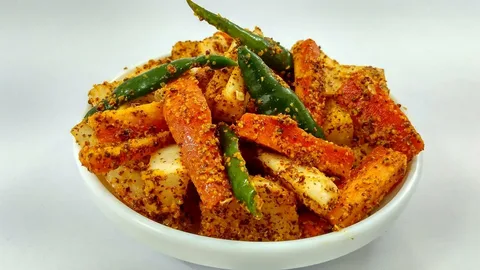
For many people, achar is treated as a small addition to a meal, a quick flavour booster placed beside rotis, dal-chawal, or curd rice. But achar is far more layered than that. It is one of the few foods that still carries an entire ecosystem of memory, heritage, seasonal wisdom, and slow craftsmanship. In an age dominated by speed, convenience, and processed foods, the art of homemade pickling keeps alive the deep-rooted connection between food, culture, and time.
When Summers Were Synonymous With Achar Making
A few decades ago, summer in India looked very different. Mangoes were not just eaten; they were prepared, salted, sun-dried, and transformed. The aroma of asafoetida drifting through kitchens was a sign that the delicious hing aam achar was in the making, a fragrance that meant family effort, shared labour, and anticipation.
Large steel bowls, glass jars, sunlit terraces, turmeric-stained fingers, these were not tasks but rituals. Every step required instinct, patience, and experience. Achar wasn’t something people “made quickly”; it was something they nurtured over days.
This deliberate slowness is what gave achar its unmistakable depth. The process demanded:
- Careful selection of firm, seasonal produce
- Precise spice measurements
- Weekly sun exposure
- Proper fermentation and resting
The resulting flavour carried both craftsmanship and emotion.
The Fade of Tradition in Busy Urban Lifestyles
As families moved to cities, kitchens shrank, schedules became tighter, and the collective ritual of pickling began fading. Convenience became the new norm. Shelves lined with industrially processed pickles replaced the summer tradition of home fermentation.
Yet something went missing in the shift. While packaged options provided ease, they lacked the warmth, authenticity, and individuality that homemade achars offered. This absence gave rise to nostalgia, a craving not just for the taste, but for the memory it carried.
The Revival: Why India Is Returning to Traditional Pickles
Interestingly, even as modern life distances people from traditional cooking practices, it has also sparked a renewed curiosity about them. Food writers, home chefs, and regional culinary experts have begun archiving and documenting pickling traditions before they disappear.
And at the centre of this revival is a cultural hunger for authenticity.
People today search for homemade achar online not merely to buy a product, but to reconnect with something their lives no longer allow them to make from scratch. They want:
- Traditional ingredients
- Slow fermentation
- Sun-cured maturity
- Recipes that reflect heritage
The rise of artisanal food culture, sustainable eating, and storytelling-driven brands has further strengthened this return.
Regional Pickling Styles: A Heritage of Flavour
India’s pickling traditions are incredibly diverse. Each region brings its own philosophy to the craft.
The North
Heavy use of mustard oil, red chilli, and strong aromatics like hing define the region’s pickles. A Mango pickle is a classic example; sharp, fragrant, unapologetically bold.
The East
Mustard seeds, fermented rice water, and tangy profiles create pickles distinct from the rest of India.
The South
Use of gingelly oil, curry leaves, and sun-drying techniques gives rise to rich, robust flavours.
The West
Oil-preserved vegetables dominate, often showcasing deep spicing and longevity.
This regionality shows that achar is not one thing; it is a constellation of practices shaped by climate, geography, and ancestral knowledge.
The New Storytellers of Achar Culture
Projects like Nani ka Pitara have become modern custodians of this memory. They don’t simply offer homemade pickles; they preserve stories, techniques, and regional authenticity through their collections.
Their approach echoes what home kitchens once did: honouring slow food, valuing tradition, and letting pickles mature naturally. They help younger audiences rediscover flavours they may never have encountered firsthand.
With every jar, they carry forward not just recipes, but relationships.
The Principles Behind Great Homemade Achar
Anyone curious to recreate the process at home can follow timeless principles that generations trusted:
1. Seasonal and Firm Produce
The foundation of any good pickle is its raw ingredient.
2. Respect for Sun and Time
Natural maturation cannot be rushed.
3. Oil as Preservation
The oil is not merely a component — it is protection, fermentation support, and flavour.
4. Non-Metal Utensils
Older instructions about avoiding metal bowls have scientific backing today.
These practices show how achar is a balance of nature, technique, and intuition.
Achar as a Cultural Memory Keeper
Unlike dishes that are cooked and eaten immediately, achar preserves more than flavour — it preserves time itself.
Every family has its own version of a recipe. A little more chilli here, a different type of mango there, a spice blend unique to their lineage. Homemade pickles become symbols of identity.
This personalisation explains why the demand for pickles continues to rise. People aren’t looking for generic flavours; they want something that feels like home, something that reminds them of kitchens that shaped their childhood.
Why Achar Still Belongs on the Modern Table
Even with the explosion of global cuisines, achar remains irreplaceable because it does something simple yet profound: it completes a meal.
A spoonful adds sharpness, warmth, balance, and depth. It bridges gaps between dishes. It turns plain meals into nostalgic experiences.
In a world that moves too fast, achar’s slow creation process feels grounding. It brings us back to the idea that good things take time, and that food is not just about consumption but connection.
Achar in Contemporary Culture
With digital media documenting lost culinary practices, achar is finding new audiences. People who have never made a pickle in their lives now understand:
- What sun fermentation does
- Why do too many preservatives ruin achars
- How oil curing works
- Why resting time is essential
Knowledge once passed only through families is now accessible globally.
The Quiet Resilience of Indian Pickling
Homemade achar is a symbol of continuity, a food craft that survived migration, modernisation, and the disappearance of large household kitchens. Its revival today is not a trend, but a restoration of cultural memory.
As long as people continue searching for homemade achar, slicing mangoes under the sun, or preserving their grandmother’s recipes, the tradition will stay alive.
Achar remains what it has always been: patient, fragrant, and deeply rooted in the Indian way of life.